
Tick Identification Guide
Tick Check: How to Spot Ticks on Skin, Clothing, and Pets
Learn how to do a tick check on skin, clothing, and pets. See what to look for, photo clues, when to seek help, and how the Tick Identifier app can help.
A quick tick check after time outdoors can help you notice ticks before they stay attached for long. If you’ve been walking in tall grass, brush, wooded areas, or even spending time in a backyard with leaf litter, it’s worth taking a few minutes to check the tick risk on skin, clothing, and pets.
This guide explains what to look for, how to check the tick step by step, and which photo clues can help you tell a tick apart from skin debris, a mole, or another small bug. It also includes when to seek medical help and when a simple photo tool may be useful.
Safety note: This article is for identification guidance only, not medical diagnosis. If a tick has been attached and you’re worried about symptoms, redness that expands, fever, or a rash, contact a healthcare professional. For public health guidance, see the CDC and local health authorities.
What a tick check is and why it matters
A tick check means carefully looking over the body, clothing, hair, and pets after time outdoors to see whether a tick is present. Ticks can be small, and some are easy to miss until they become engorged. That’s why people often search for ticks how to check after hiking, yard work, camping, or playing outside.
The goal is simple: find any tick as early as possible and remove it safely if needed. A faster check can also help you notice whether a spot on the skin is actually a tick or just something harmless.
When to do a tick check
- After hiking, camping, or walking near brush or woods
- After gardening, yard work, or clearing leaves
- After children play in grass or wooded areas
- After pets come inside from tall grass or brush
- Before showering or changing clothes, if possible
How to check the tick risk on skin, clothing, and pets
The most useful tick check is slow and methodical. Start with clothes and exposed skin, then move to hidden places where ticks often cling.
| Area to check | What to look for | Why it matters |
|---|---|---|
| Clothing | Small dark specks, moving insects, ticks on seams | Ticks can ride in on fabric before attaching |
| Hair and scalp | Tiny bumps, crawling movement, small attached insect | Ticks can hide in hair and be missed |
| Behind ears and neck | Small oval shape, firm attachment, dark body | Common hiding spot after outdoor exposure |
| Armpits and waistband | Attached tick or small dark dot that does not brush away | Warm, hidden areas are easy places to miss |
| Behind knees and ankles | Tiny speck, especially after walking through grass | Ticks often latch onto lower legs first |
| Pets | Ticks around ears, neck, collar area, paws, belly | Pets can bring ticks indoors |
If you’re unsure whether you’ve found a tick, compare the spot against a clean photo of a tick’s body shape and markings. Internal guides like Tick What Does It Look Like: Complete Guide and Tick Markings: Complete Guide can help you focus on the visible features without guessing.
Simple step-by-step tick check routine
- Remove outer clothing and place it in a basket or bag.
- Look over seams, cuffs, socks, waistbands, and pockets.
- Check exposed skin under good light.
- Use your fingers to feel for small bumps, especially on hidden areas.
- Inspect hair, behind ears, and the back of the neck.
- Check pets carefully, especially around the collar line and ears.
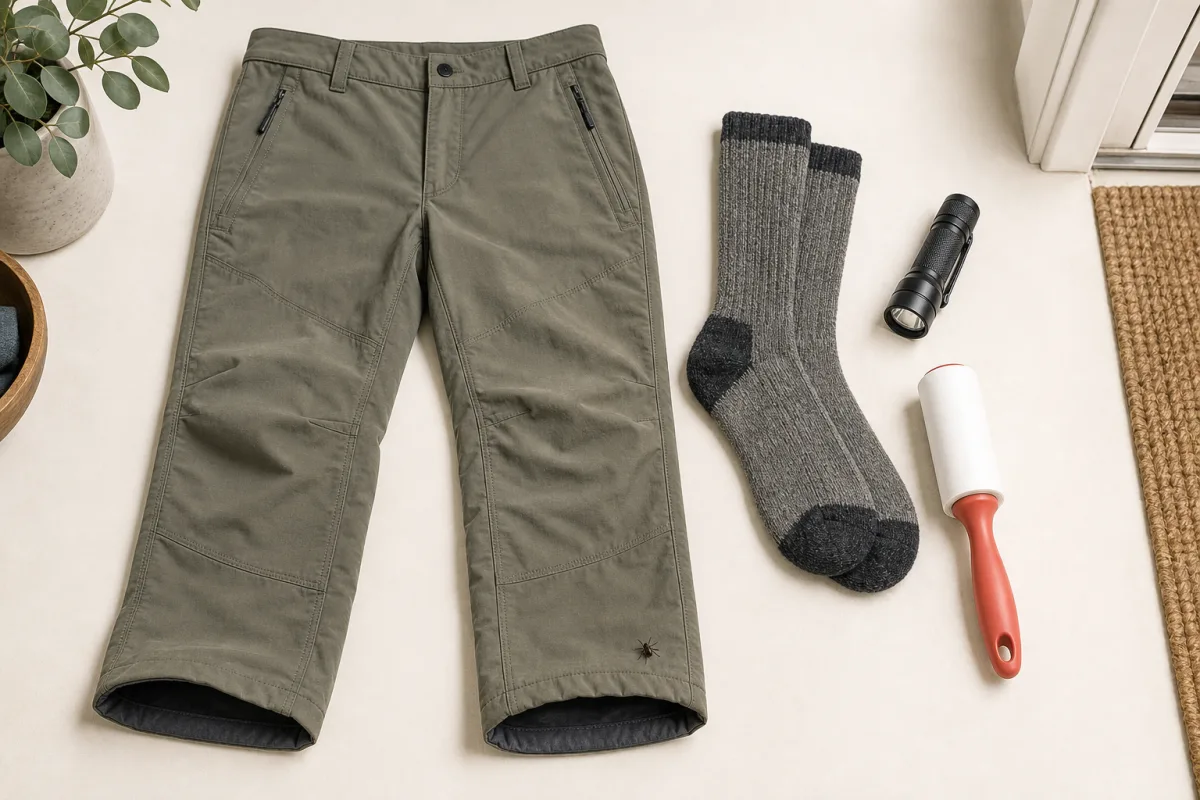
Photo clues that help identify a tick
When people try to check the tick by eye, the main challenge is that ticks can look like tiny brown specks at first. A photo can help you compare the shape and placement more carefully.
Look for these common clues:
- Oval body shape rather than a flat, irregular speck
- Firm attachment to skin or fur instead of moving freely
- Small legs near one end when viewed closely
- Color variation from tan to dark brown or black
- Enlarged body if the tick has fed and become engorged
For examples focused on appearance and photo comparison, you may also find Tick Identification Chart: How to Compare Ticks by Photo useful while you’re evaluating what you see.
What can look like a tick but isn’t?
Sometimes people confuse ticks with freckles, scabs, lint, small seeds, moles, or tiny beetles. If the spot wipes away easily, moves independently, or looks like a loose bit of debris, it may not be a tick. A tick usually appears attached or firmly placed and does not brush off like dust.
What to do if you find a tick
If you find a tick attached to skin or pet fur, the next step is safe removal and observation. Do not squeeze the body, twist aggressively, or use heat, petroleum jelly, or other home remedies. Public health guidance generally recommends using fine-tipped tweezers to grasp the tick as close to the skin as possible and pull upward steadily.
When to call your vet. If you are not sure you can remove the tick safely, or if part of it stays in the skin, let your veterinarian do it. Contact them either way if your dog develops a rash around the bite, a fever, lameness that moves between legs, swollen joints, or unusual tiredness in the weeks after a bite — those are the signs that need a clinical opinion, not a photo comparison.
After removal, clean the area and wash your hands. If you want a better visual reference for a tick on the body, a page like Tick Bite Photos: How to Identify It Clearly may help you compare what normal irritation can look like versus a tick-related spot.
Watch for these warning signs after a tick bite
- Fever, headache, or body aches
- Expanding redness or a rash
- Increasing pain, swelling, or warmth around the bite
- Fatigue or flu-like symptoms after outdoor exposure
- Any unusual symptoms in a child, older adult, or pet
Seek medical advice if symptoms appear, if you cannot remove the tick safely, or if you are unsure how long it may have been attached. The safest approach is to follow current guidance from a healthcare professional or public health source.
How to make tick checks easier to remember
One missed tick check can happen simply because the routine isn’t built in yet. Try linking it to another habit, such as changing clothes, showering, or unpacking gear after a walk or hike.
- Keep a small flashlight near the entryway or bathroom
- Check kids and pets before they go deeper into the house
- Use a lint roller on clothing seams if helpful
- Save a simple checklist for trail days or yard work
- Look carefully at ankles, waistbands, armpits, and hairline
If you often need a visual reference, a dedicated tick identification tool can help you compare what you see on the spot. The Tick Identifier app is a convenient option when you want a quick, photo-based check before deciding what to do next.

When to seek help
You do not need to panic after every outdoor exposure, but you should seek help when a tick cannot be removed properly, the bite area worsens, or you develop symptoms afterward. It’s also reasonable to ask for guidance if you’re checking a young child, a pet with heavy fur, or a skin spot that does not clearly look like a tick but also doesn’t seem normal.
For pet-specific concerns, a focused guide such as Engorged Tick On Dog: Complete Guide can be helpful when the issue is on fur rather than skin.
FAQ
How often should I do a tick check?
Do one after each time you’ve been in areas where ticks may be present, especially woods, tall grass, and brush. If you’ve spent a long day outdoors, a second check later can be helpful.
Where do ticks hide most often?
Ticks often hide in warm, protected places such as behind ears, along the hairline, under arms, around the waistband, behind knees, and near socks or shoes. Pets often need close checks around the collar, ears, belly, and paws.
Can I tell a tick from a mole or scab?
Sometimes yes, but not always. A tick often looks like a small oval body with attachment to the skin, while a mole or scab is part of the skin itself. If you’re unsure, compare the spot with reliable photos or use a photo identification app.
What if I only found a tiny dark dot?
A tiny dark dot may be a tick, lint, or another harmless speck. If it stays in place and looks attached, inspect it closely in bright light or with a photo before assuming it is nothing.
Can an app help with a tick check?
Yes, a photo-based tool can be useful for a quick first look when you’re trying to check the tick versus a harmless spot. It should not replace medical advice, but it can help you decide what to do next. Try the Tick Identifier app if you want a convenient mobile option.
A careful tick check takes only a few minutes, but it can make a meaningful difference after outdoor time. Look at clothing first, then skin, then hair and pets. If something does not look right, use clear photos and trusted guidance to decide your next step.
Try the Tickidentifier app
Use the app when you want a faster photo-based check before comparing details manually.