Tick Identification Guide
Gulf Coast Tick Identification Guide: What It Looks Like and Where to Find It
Learn how to identify a gulf coast tick, where it lives, common photo clues, and when to check for bites on people, pets, and clothing.
The gulf coast tick is a tick species people often want to identify quickly after time outdoors, especially in warm, grassy, or brushy areas. If you think you’ve found one, the safest next step is to compare visible features carefully and check your skin, clothing, and pets for more ticks.
This guide covers the main identification clues, where gulf coast ticks are commonly encountered, and what to do if you are unsure. For a broader overview of where ticks tend to live, see Where Ticks Are Found: A Practical Guide to Common Hotspots.
Safety note: This article is for identification and prevention only. It does not diagnose illness or confirm a bite. If you are concerned about symptoms after a tick bite, contact a healthcare professional.
What is a gulf coast tick?
The gulf coast tick is a hard tick commonly associated with warm climates and outdoor vegetation. It can show up on people, dogs, and clothing after time in tall grass, brush, or edge habitats such as fields and trail margins. Because many tick species can look similar at a glance, the most useful approach is to compare size, color pattern, body shape, and where it was found.
If you are trying to compare general tick appearance, it can help to review broader visual references such as Tick What Does It Look Like: Complete Guide or Tick Markings: Complete Guide.
Identification features to look for
Gulf coast ticks are often recognized by their relatively large size compared with some other common ticks and by pale markings on the back. Still, lighting, engorgement, and the tick’s life stage can make these details harder to see.
| Feature | What to notice | Why it matters |
|---|---|---|
| Body size | Adult ticks may appear larger than many other common ticks | Size can help narrow down possibilities, but it changes after feeding |
| Color pattern | Often dark brown with lighter markings | Pattern is one of the most helpful visual clues |
| Leg placement | Eight legs if it is a tick nymph or adult | Helps separate ticks from insects |
| Shape | Oval, flattened when unfed; more rounded when fed | Engorgement can change the profile dramatically |
| Where found | Grass, brush, pets, socks, waistbands, collars | Habitat context often supports the identification |
In real life, a gulf coast tick may be hard to identify if it has already fed. If the tick looks swollen or you found it attached to a pet, Engorged Tick On Dog: Complete Guide may also be useful for comparison.
Photo clues that help with identification
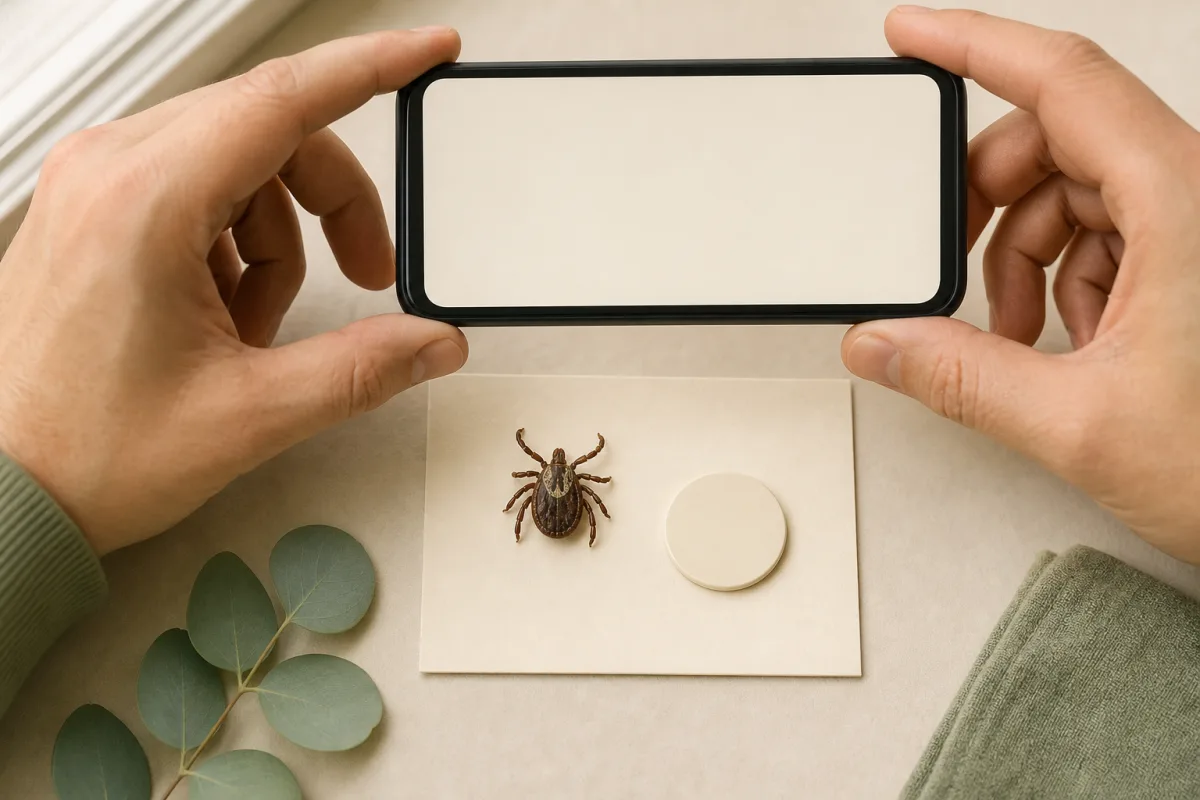
Good photos make identification much easier. If you are taking pictures for comparison, use bright natural light and include a plain background. Try to capture the tick from above and from the side without handling it more than necessary.
- Take one close photo and one wider photo for size context.
- Use a neutral object nearby, such as a coin or fingernail, for rough scale.
- Focus on the back markings and overall body shape.
- Avoid crushing the tick, which can obscure key details.
If you need more examples of what ticks look like in clear photos, these pages may help: Tick Identification Chart: How to Compare Ticks by Photo and Tick Bite Photos: How to Identify It Clearly.
For dog-related comparisons, you may also find Dog Tick Bite Photos: How to Identify It Clearly helpful if you are checking a pet’s skin or fur.
Where gulf coast ticks are often found
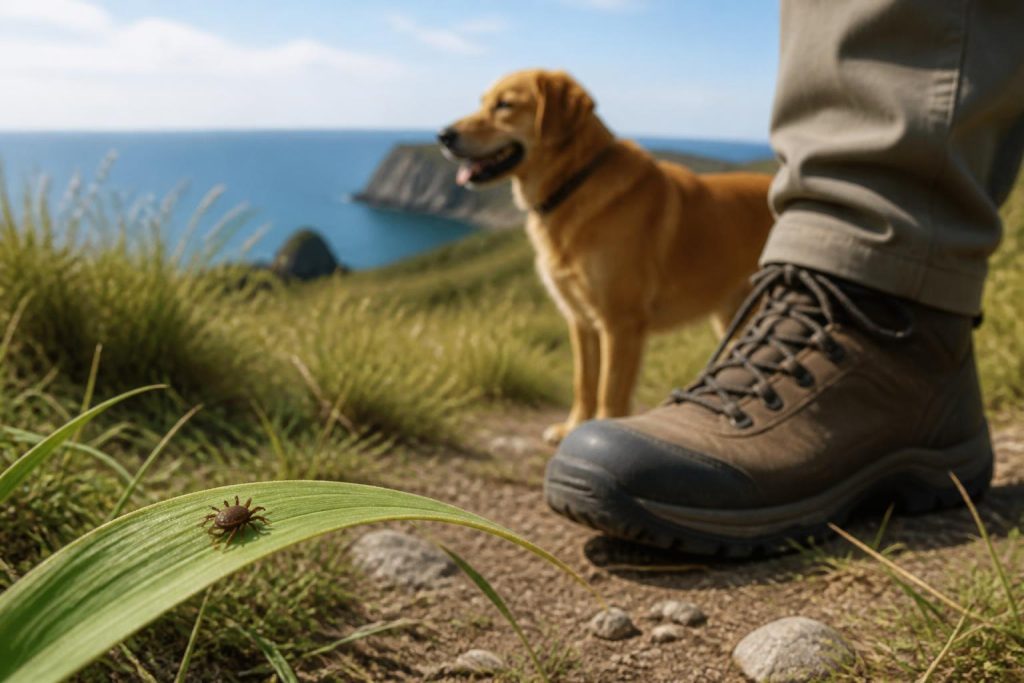
Gulf coast ticks are usually encountered in outdoor areas where vegetation gives them a place to wait for passing hosts. That can include fields, tall grass, brushy edges, and other humid outdoor habitats. They may also be brought indoors on clothing, backpacks, or pets after outdoor time.
- Brushy trail edges and overgrown paths
- Tall grass around yards or fields
- Pet fur, especially around ears, neck, and legs
- Socks, cuffs, waistbands, and shoe tops
- Gear that was set on the ground outdoors
If you want a practical checklist for checking your body and clothes after outdoor exposure, see Tick Check: How to Spot Ticks on Skin, Clothing, and Pets or Look for Ticks: Complete Guide.

How to tell it apart from other common ticks
Because several tick species overlap in range and appearance, it is useful to compare the gulf coast tick with a few common lookalikes. This is not a diagnosis table, just a quick visual aid.
| Possible comparison | General difference | Tip |
|---|---|---|
| Deer tick | Usually smaller, with a more compact body profile | Review Deer Tick Identification if you are comparing small dark ticks |
| Other dog ticks | May share similar size or markings | Check body pattern, location, and whether the tick is fed |
| Ticks found on pets | Often discovered after outdoor walks or yard time | Inspect ears, collar line, belly, and between toes |
If the tick was found on a dog and you are unsure whether it is attached or embedded, the article Tick Under a Dog’s Skin: What It Looks Like and What to Do Next can help you understand the visual differences.
What to do if you find one
If you find a tick that might be a gulf coast tick, stay calm and focus on safe handling and a full tick check.
- Avoid squeezing the tick with bare fingers.
- Remove it carefully if it is attached, using steady, gentle traction.
- Wash the bite area and your hands with soap and water.
- Save the tick in a sealed container if you want to compare it later.
- Check clothing, shoes, pets, and nearby skin for additional ticks.
For prevention after outdoor exposure, checking early matters because ticks can be missed in hair, behind ears, in folds of skin, or along the waistband. A thorough search is often more useful than a quick glance.
When to seek medical or veterinary help
Identification alone cannot tell you whether a tick has caused illness. Seek professional help if you notice concerning symptoms after a bite, if the bite area becomes increasingly irritated, or if a pet seems unwell after a tick is found.
- Fever or flu-like symptoms after a tick bite
- Spreading rash or unusual skin changes
- Persistent redness, swelling, or pain at the bite site
- Difficulty removing an attached tick
- Signs of illness in a pet, including lethargy or loss of appetite
When to call your vet. If you are not sure you can remove the tick safely, or if part of it stays in the skin, let your veterinarian do it. Contact them either way if your dog develops a rash around the bite, a fever, lameness that moves between legs, swollen joints, or unusual tiredness in the weeks after a bite — those are the signs that need a clinical opinion, not a photo comparison.
If you are checking a dog, it is also worth looking for ticks in common hidden spots such as the ears, armpits, and between the toes. A practical overview of pet-specific tick spotting is available in Dog Tick Species: Complete Guide.
Using the Tick Identifier app
If you want a faster way to compare what you found with clear reference guidance, the Tick Identifier app can be a helpful companion for field checks and at-home review. It is especially useful when you need to compare a photo, double-check markings, or confirm where to look next.
You can learn more or download it here: Tick Identifier app on the App Store.
FAQ
Is a gulf coast tick dangerous?
A tick can be a health concern because different species may be associated with different risks, but a photo alone does not tell you whether any illness will occur. The safest approach is careful removal, cleaning the area, and watching for symptoms that need medical attention.
Can I identify a gulf coast tick from a photo?
Sometimes, yes—especially if the image shows the back markings, body shape, and size clearly. A photo taken in good light with a size reference improves the chance of a useful comparison.
Where on the body should I check most carefully?
Check along the hairline, behind the ears, under arms, around the waist, behind knees, and inside clothing folds. For pets, check around the head, neck, belly, legs, and between toes.
What if I’m not sure it is a gulf coast tick?
That is common. Many tick species can look alike, especially if they are small or fed. Compare the features with trusted identification pages, save a photo, and consider using a tick-check tool to help you review details step by step.
If you want a clear next step, start with a careful tick check and compare what you found against reliable visual guides. For many people, that is the fastest way to narrow down what they are looking at without guessing.
Try the Tickidentifier app
Use the app when you want a faster photo-based check before comparing details manually.