Tick Identification Guide
Engorged Tick on a Dog: What It Means and What to Do
Learn how to identify an engorged tick on a dog, what it looks like, what to do next, and when to contact a vet. Clear photo clues and safety tips.
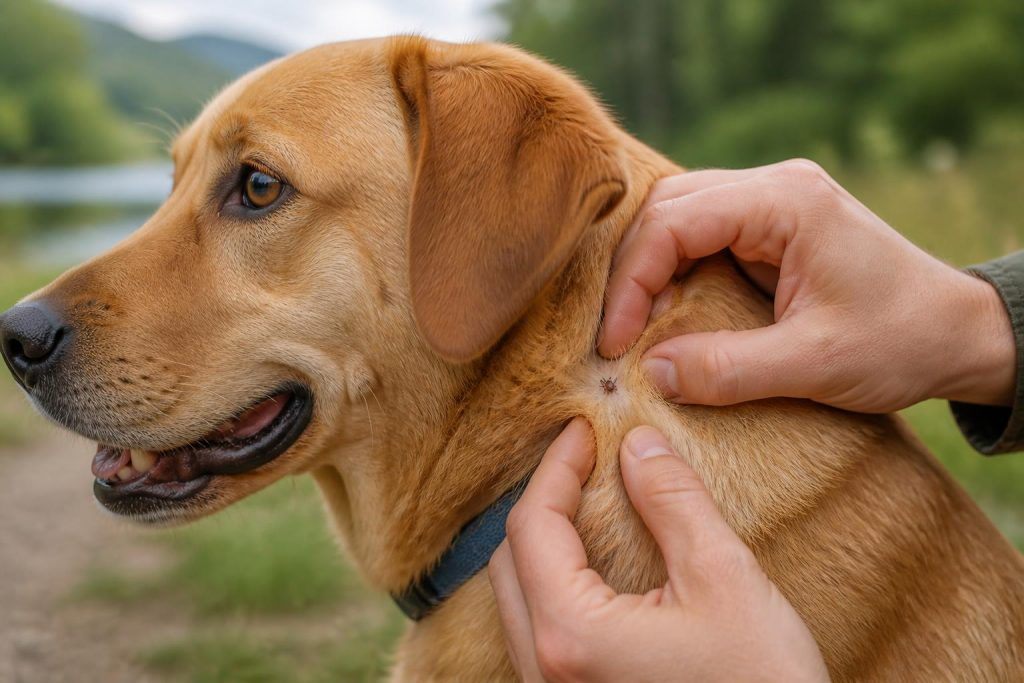
If you found an engorged tick on a dog, it can be unsettling. The good news is that a swollen tick does not always mean an emergency, but it does mean you should act carefully and promptly. This guide explains how to spot an engorged tick on a dog, what it may look like in photos, and what to do next.
For fast photo-based help, you can also use the Tick Identifier app to compare your image with common tick features.
Safety note: what an engorged tick means
An engorged tick is a tick that has fed on blood and expanded in size. On a dog, that often means the tick has been attached long enough to swell noticeably. It is important not to squeeze, burn, or twist a tick aggressively, because those methods can increase the chance of leaving mouthparts behind or irritating the skin.
If you are unsure whether the tick is attached, dead, or already detached, take a close photo before touching it. That can help with engorged dog tick identification and gives your vet useful information if needed.
How to identify an engorged tick on a dog
An engorged tick on a dog may look like a small gray, tan, brown, or olive-colored bump on the skin or in the fur. Before feeding, ticks can be tiny and flat. After feeding, they often become rounder, larger, and more bean-like.
Common visual clues include:
- A swollen, balloon-like body compared with the small head area
- A smooth, shiny, or stretched appearance
- Legs clustered near one end
- A firm attachment to the skin
- A location hidden in dense fur, especially around the ears, neck, armpits, groin, or between toes
If you found an engorged tick on dog fur, part the coat carefully and look at the skin itself. Ticks can sit low against the skin and be easy to miss when the coat is thick.
Engorged tick vs. other common skin bumps
| What you see | More likely explanation | Helpful clue |
|---|---|---|
| Rounded body with legs near one end | Tick | May be attached to skin |
| Soft swelling without legs | Skin irritation or cyst | Usually not attached like a parasite |
| Small dark spot in fur | Flea dirt, debris, or dried blood | Brushes away or moves easily |
| Firm bump with redness | Minor bite reaction | May be tender but not moving |
Photo clues: what an engorged tick on a dog may look like
In photos, an engorged tick on a dog often appears more oval and enlarged than a non-fed tick. The body may look pale, grayish, or dark brown depending on the species and how full it is. Because lighting and fur density can hide detail, a close photo from several angles helps.
Useful photo clues include:
- Taking the image in natural light
- Separating the fur so the skin is visible
- Including a nearby object for rough size reference, such as a fingertip or coin placed beside the area, not on the tick
- Capturing both the top view and side view if possible
If you want a broader visual reference, the page on Dog Tick Identification can help you compare general tick shapes and attachment patterns before you decide what to do next.
What to do if you found an engorged tick on dog
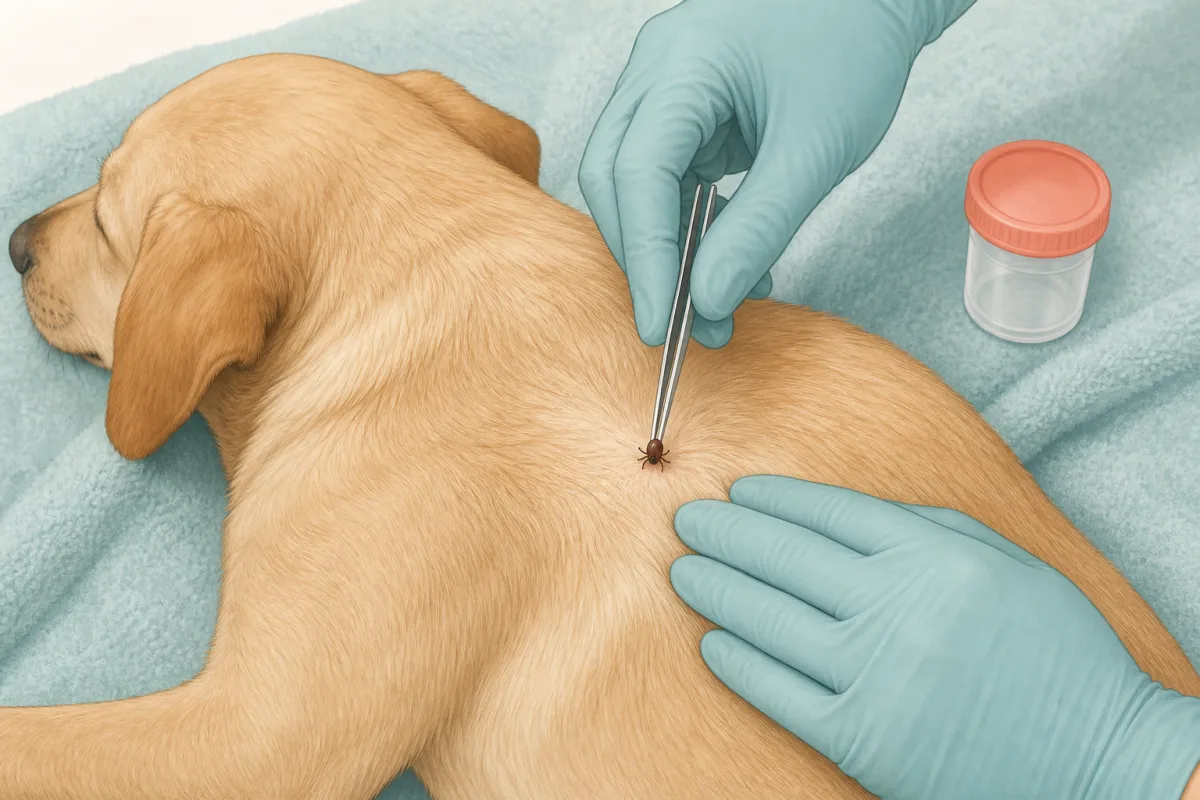
Here is a practical step-by-step approach if you found an engorged tick on a dog:
- Keep your dog calm and still.
- Put on gloves if available.
- Use fine-tipped tweezers or a tick-removal tool to grasp the tick as close to the skin as possible.
- Pull upward steadily and evenly without twisting.
- Clean the bite area with soap and water or a pet-safe antiseptic if recommended by your vet.
- Dispose of the tick safely in a sealed bag or container.
- Watch the bite site and your dog’s behavior over the next several days.
Do not crush the tick with bare fingers. Avoid folk remedies like petroleum jelly, nail polish, or heat. Those methods are not recommended by veterinary and public health guidance.
Authoritative guidance from veterinary and public health sources generally recommends prompt removal with fine-tipped tweezers and gentle traction, plus monitoring the bite site afterward.
When to call a vet
Contact your vet if:
- The tick mouthparts appear to remain in the skin
- The bite area becomes very red, swollen, painful, or oozes
- Your dog seems lethargic, feverish, stiff, or less interested in food
- There are multiple ticks
- You are not sure whether the tick was fully removed
These signs do not confirm a serious illness, but they do mean your dog should be assessed. If you are unsure about the tick type, an online comparison tool such as the Tick Identifier app can support a quick visual review before you speak with a professional.
Why engorgement matters
An engorged tick in dog fur suggests the tick has already fed for some time. That is useful information because attachment time can matter when assessing exposure risk. Still, not every attached tick causes illness, and not every swollen tick means a problem is developing.
What matters most is prompt removal, careful observation, and a vet call if symptoms appear. If you want more help identifying whether the tick might be a deer tick or another common type, see Deer Tick Identification for broader comparison points.
Prevention tips for future checks
Regular inspection lowers the chance of missing a tick until it becomes engorged. Focus on the places ticks often hide on dogs.
- Check after walks, hikes, and time in grass or brush
- Part the fur around ears, neck, belly, groin, and paws
- Run your fingers slowly along the coat to feel for bumps
- Use a tick-prevention plan recommended by your vet
- Wash bedding and inspect collars and harness contact points
For a more complete search routine, the guide to Look for Ticks: Complete Guide can help you build a consistent inspection habit.

FAQ
Is an engorged tick on a dog always dangerous?
No. An engorged tick does not automatically mean your dog will get sick. It does mean the tick has fed, so removal and monitoring are important.
How do I know if the tick is still attached?
If the tick does not move freely when you gently part the fur and appears anchored to the skin, it is likely attached. A close photo can also help with engorged tick on a dog what to do decisions.
Can I identify the tick from a photo?
Often you can get a useful comparison from a photo, especially for basic shape and engorgement. For better visual support, try the Identify Tick by Photo page or the app tool linked above.
What if I found an engorged tick on a dog but it already fell off?
Save the tick if you can, take a clear photo, and watch the bite area and your dog’s behavior. If your dog seems unwell or the skin reaction worsens, contact your vet.
Should I be worried about Lyme disease or other tick-borne illness?
Risk depends on tick species, region, attachment time, and whether disease-carrying ticks are present locally. A vet can advise based on your location and your dog’s symptoms.
Quick takeaway
An engorged tick on a dog is usually a tick that has fed and swollen. The safest next step is careful removal, cleaning the area, and monitoring your dog for changes. If you want a fast visual comparison while you decide what to do, the Tick Identifier app can help you review a photo and compare it with common tick features.
Try the Tickidentifier app
Use the app when you want a faster photo-based check before comparing details manually.