Tick Identification Guide
Look for Ticks: Complete Guide
Learn how to look for ticks on people and pets, what ticks look like, where they hide, and when to get help. Includes photo clues, safety tips, and a tick ID app CTA.
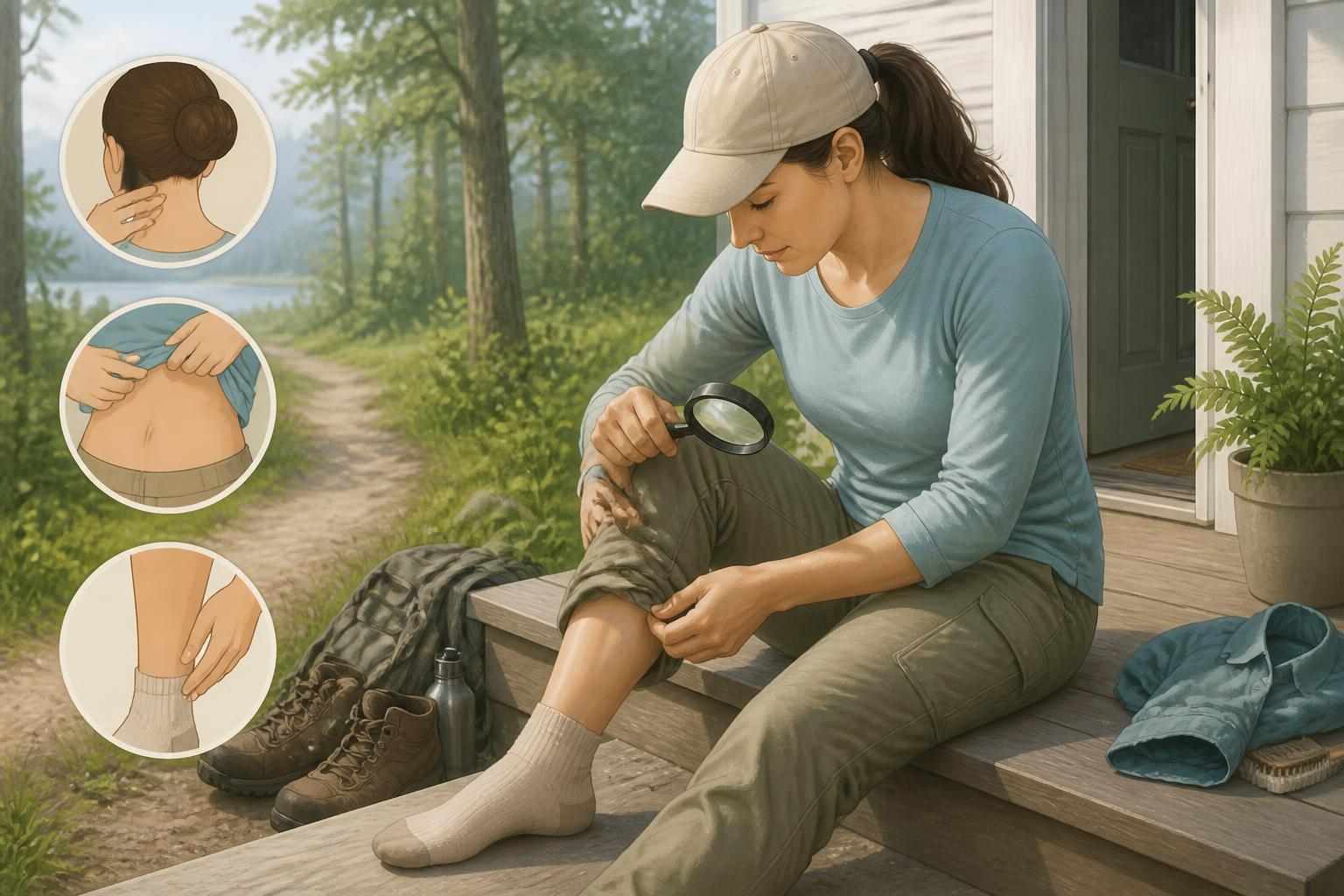
If you need to look for ticks after a hike, yard work, or time in tall grass, the best approach is simple: check early, check carefully, and know where ticks like to hide. A quick inspection can help you notice a tick before it stays attached for long.
This guide explains what tick looks to watch for, where to search, and what tick what to look for means in practical terms. It also includes photo clues, safety notes, and when it makes sense to get help.
Safety note: This article is for identification and prevention only, not diagnosis. If you are worried about a bite, rash, fever, or infection risk, seek medical advice from a qualified clinician.
How to look for ticks the right way
The easiest time to look for ticks is soon after being outdoors. Ticks often move onto clothing, then onto skin. A careful check in good light can make a big difference.
Focus on three steps:
- Check clothing, shoes, and gear first.
- Inspect skin slowly, especially warm and hidden areas.
- Use a mirror or help from another person for hard-to-see spots.
For a broader visual reference, you can also review Photographs of Ticks: How to Identify It Clearly and compare them with a simple Tick Identification Chart.
Where ticks usually hide
When people ask where to look for ticks, the answer is usually the same: warm, shaded, and hard-to-see areas. Ticks often attach where skin is thinner or where clothing fits snugly.
| Area to check | Why it matters |
|---|---|
| Scalp and hairline | Ticks can be hard to spot in thick hair |
| Behind the ears | Small ticks can hide in folds of skin |
| Neck and collar line | Clothing edges are common contact points |
| Underarms | Warm, tucked-in skin is easy to miss |
| Waistband and belt line | Ticks may move under fitted clothing |
| Behind knees | Shaded skin folds are common attachment sites |
| Between fingers and toes | Small ticks can be overlooked here |
| Groin and along sock line | These areas are often checked last, if at all |
If you are checking a child, pet, or another person, be especially thorough around hair, skin folds, and areas covered by clothing.
What ticks look like at a glance
People often search for tick what to look for because ticks can be mistaken for dirt, skin tags, or tiny bumps. The exact appearance varies by life stage and species, but the basic clues are similar.
- Small, oval body shape
- Usually dark brown, reddish-brown, tan, or grayish
- Eight legs on nymphs and adults; larvae are smaller and have six legs
- May look flat before feeding and rounder after attaching
- Often move slowly compared with insects that jump or fly
Need a visual guide for a smaller life stage? See Nymph Tick Identification for more context on how tiny ticks can appear.
Common tick looks people confuse with other things
Tick looks can be subtle, which is why careful inspection matters. A tick may resemble:
- A small freckle or speck of dirt
- A skin bump or scab
- A tiny seed or bead on clothing
- A dark oval dot near the hairline or sock line
If something looks attached to skin and does not brush away easily, inspect it closely rather than assuming it is harmless debris.
Photo clues that help identify a tick
Photos can help you compare size, shape, and placement, especially if you are not sure whether you need to look for ticks more carefully. A clear photo does not replace professional advice, but it can make identification easier.
- Use bright, natural light when possible
- Take one close photo and one wider shot for scale
- Include a common object nearby, such as a coin, for size reference
- Try to keep the image in focus without pinching or crushing the tick
If you have a photo and want a guided way to inspect it, try the Identify Tick by Photo page or use the Tick Identifier app for a quick check on the go.
How to check pets and family members
When you look for ticks on pets or children, be systematic. Pets often pick up ticks around the head, ears, neck, legs, and under the collar. Children may need a slow, patient check because ticks can be tucked into hair or skin folds.
Useful habits include:
- Check right after coming indoors
- Run your hands over the body before a visual search
- Part hair in several directions under good light
- Look around collars, harnesses, waistbands, and cuffs
If you are checking a dog, these related guides may help: Dog Tick Identification and Dog Tick Species: Complete Guide. For bite-related photo reference, see Dog Tick Bite Photos: How to Identify It Clearly.
When to seek help
Finding a tick does not automatically mean something serious has happened, but some situations deserve prompt medical attention. Public health agencies such as the CDC recommend watching for symptoms after a possible tick exposure, especially if a bite is known or a rash develops.
Consider getting help if:
- You cannot remove the tick safely
- The skin becomes increasingly red, painful, or swollen
- You develop fever, headache, fatigue, or body aches after a tick exposure
- A rash appears or expands after the bite
- The person bitten is very young, elderly, or immunocompromised
If you are unsure whether a mark is a bite or irritation, this page may help you compare visuals: Tick Bite Photos: How to Identify It Clearly.
What should I do if I find a tick?
Remove it carefully with fine-tipped tweezers if you know how to do so, clean the area, and monitor for symptoms. If you are unsure, ask a healthcare professional for guidance.
Simple tick-check routine you can use every time
If you want a repeatable method, use this routine after outdoor activity:
- Remove shoes and outer clothing.
- Inspect clothing seams and cuffs.
- Check exposed skin under good light.
- Search hidden areas: scalp, behind ears, under arms, waistband, behind knees, and around ankles.
- Take a photo if something looks attached or unusual.
- Follow up if you notice symptoms later.
That simple process can make looking for ticks much faster and more reliable.
FAQ
How often should I look for ticks?
Check after any time in wooded areas, tall grass, brush, or leaf litter. If you were outdoors for a long time, it is smart to check again later because small ticks can be easy to miss.
What is the easiest way to spot a tick on skin?
Use bright light, part hair if needed, and check slowly. Ticks are often found in warm folds of skin or around clothing lines such as socks, waistbands, and collars.
Can a tick look like a mole or scab?
Yes. Small ticks can resemble a dark mole, scab, or speck of dirt. If it seems attached and does not wipe away, inspect it closely.
Do I need to keep checking after I come inside?
Yes. A tick may still be moving on clothing or skin for a while. A second check later in the day can help catch one that was missed the first time.
Is there a quick way to compare a tick photo?
Yes. You can use the Tick Identifier app for a convenient photo-based check, then review the result alongside trusted identification guides.
Final tip
If you want to look for ticks more efficiently, make it a habit to check the same key areas every time you come indoors. A calm, routine inspection is often the easiest way to spot a tick before it becomes a bigger concern.
For more tick ID resources, visit the Tick Identification Guides or return to the Tick Identifier homepage for the app and related guides.
Try the Tickidentifier app
Use the app when you want a faster photo-based check before comparing details manually.